Stilt Houses
Overview
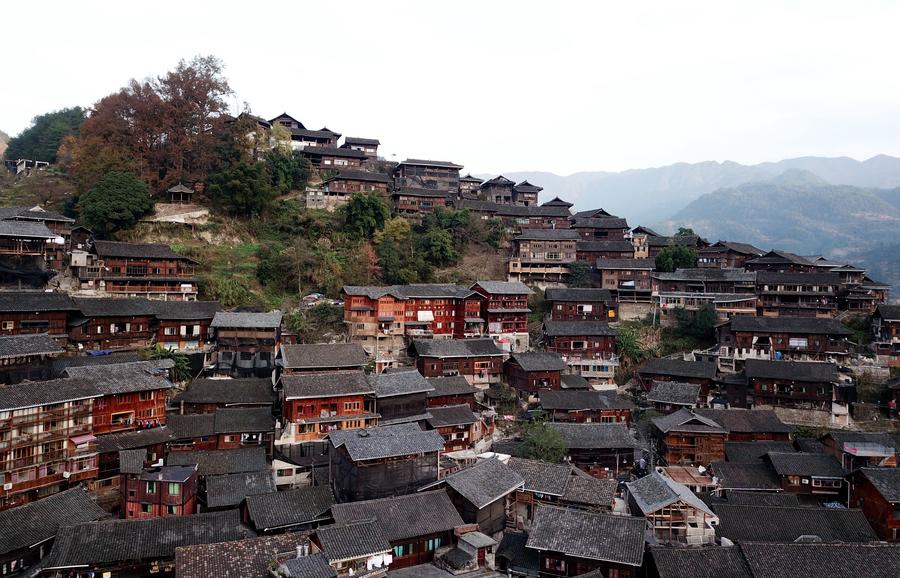
Stilt houses, also known as "pile dwellings", are elevated structures built on stilts or piles above the soil or a water body. These dwellings have been found in various cultures across the world, notably in regions prone to flooding or areas with unstable ground. In China, stilt houses are particularly associated with several ethnic groups, including the Miao, Yao and Tujia peoples. These groups are primarily located in places including Chongqing, Guizhou, Guangxi, Hubei and Hunan.
Architectural Features
Construction Techniques
The construction of stilt houses involves a sophisticated understanding of local materials and structural engineering. Traditional Tujia stilt houses are typically built using local timber, which is abundant in the forested regions where the Tujia reside. The stilts elevate the main living areas above the ground, providing protection from pests and moisture. The design includes open spaces beneath the homes, which allow for airflow and cooling, an important feature in humid climates.
Environmental Adaptation
One of the primary reasons for building stilt houses is to adapt to challenging environmental conditions. In areas prone to flooding, such as riverbanks or coastal regions, stilt houses minimize the risk of water damage. In mountainous areas, building on stilts allows for the efficient use of steep, uneven terrain. This adaptation not only maximizes available living space but also preserves arable land for agriculture.
Tourism and Economic Impact
The Enshi Tujia and Miao autonomous prefecture, for instance, has become a popular tourist destination, partly due to the cultural appeal of its traditional stilt houses. The region offers visitors a chance to experience authentic Tujia culture, including their distinctive architecture.
Preservation and Challenges
Cultural Preservation
Preserving the tradition of stilt house construction is vital for maintaining the cultural heritage. Efforts are being made to protect these architectural practices through cultural conservation programs and by promoting tourism that respects and sustains local traditions.
Environmental and Social Challenges
Modern challenges, such as urbanization and environmental changes, threaten the traditional lifestyle of communities living in stilt houses. Balancing development with cultural preservation is a complex task. There is also a need for sustainable solutions to ensure that stilt houses remain viable in changing environmental conditions. Article reference1. Stilt-style architecture of Hechi. chinadaily.com.cn. 20182. Aerial photos show houses with Miao characteristics in SW China. chinadaily.com.cn. 20173. Irresistible attractions. chinadaily.com.cn. 2018Photo Gallery(3 pictures)CategoriesCultural HeritageTagArchitectureEthnic CultureRelatedTujia Ethnic GroupCatalogue1. Overview2. Architectural Features3. Tourism and Economic Impact4. Preservation and Challenges- - - []








